
BPC-157
"Recovery and Mobility Support'
Price
Size / Dosage
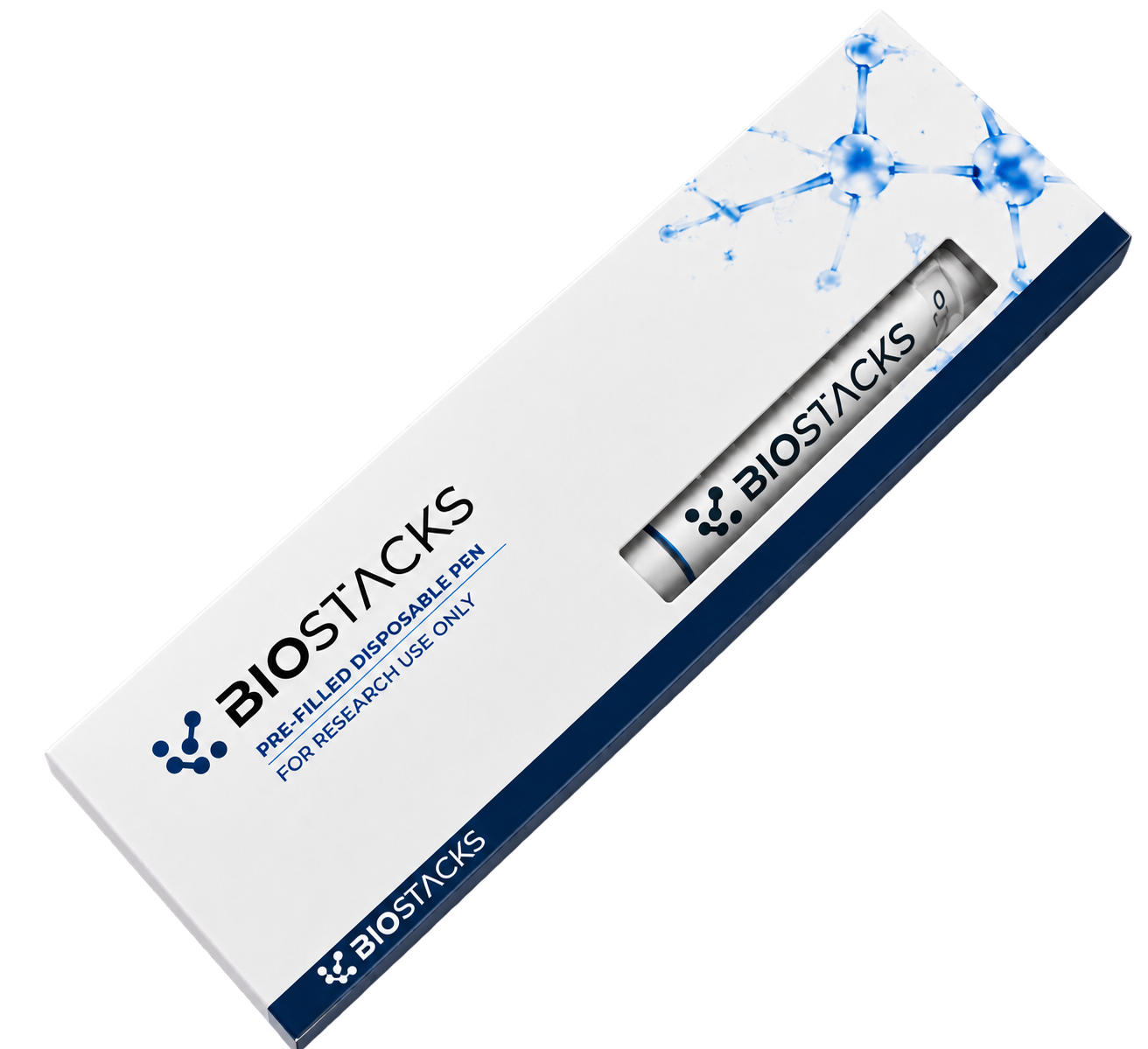
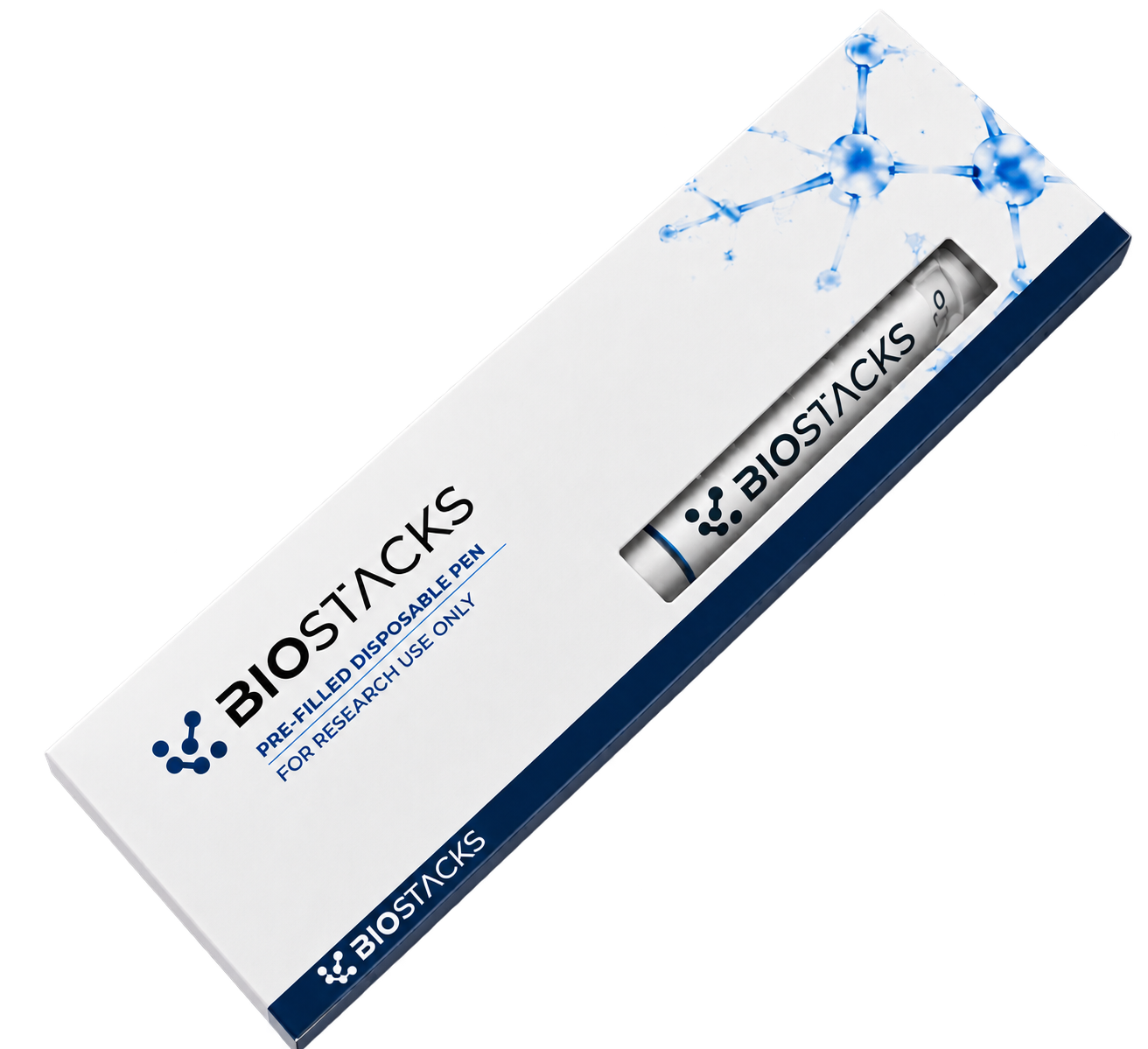
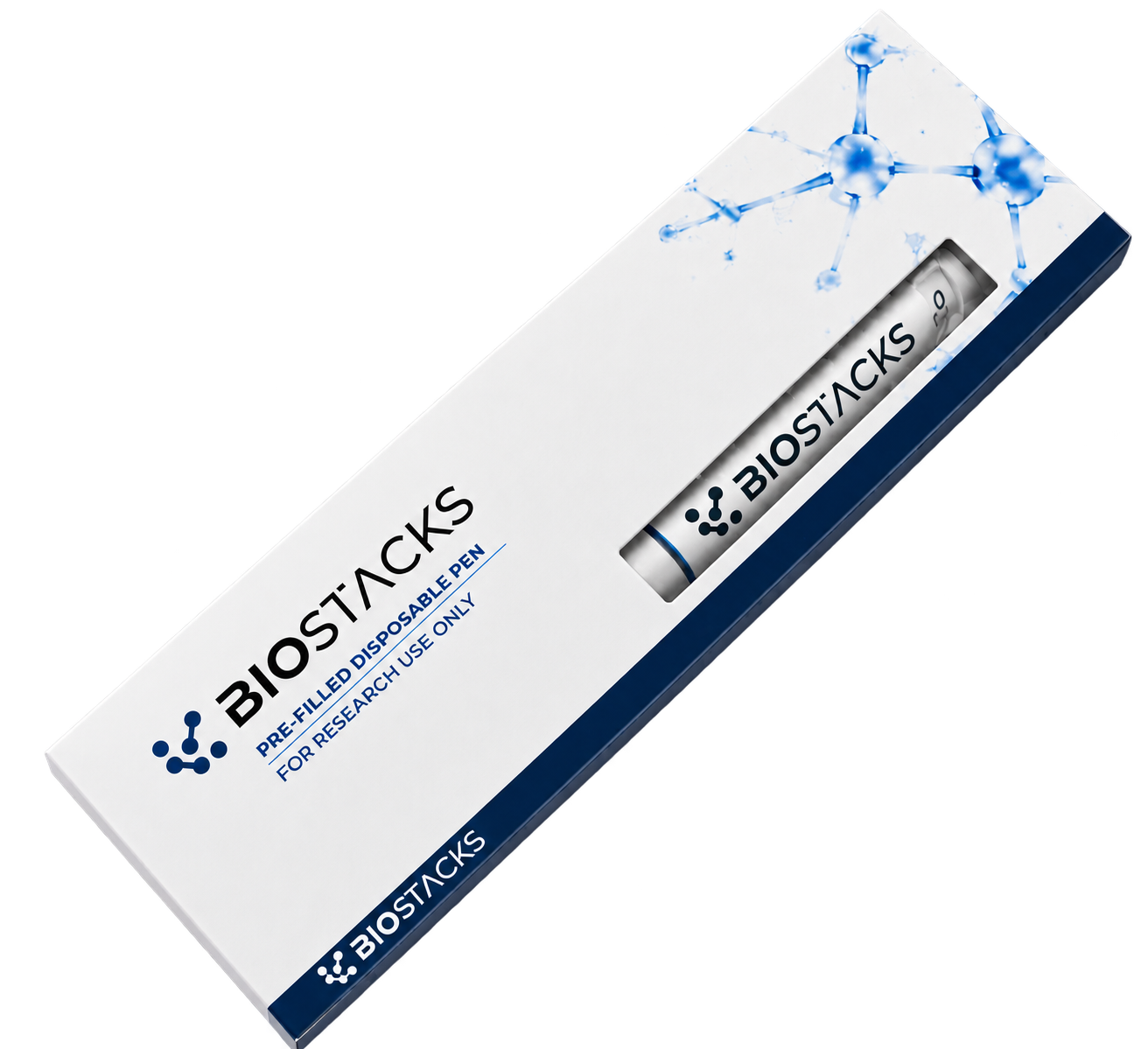
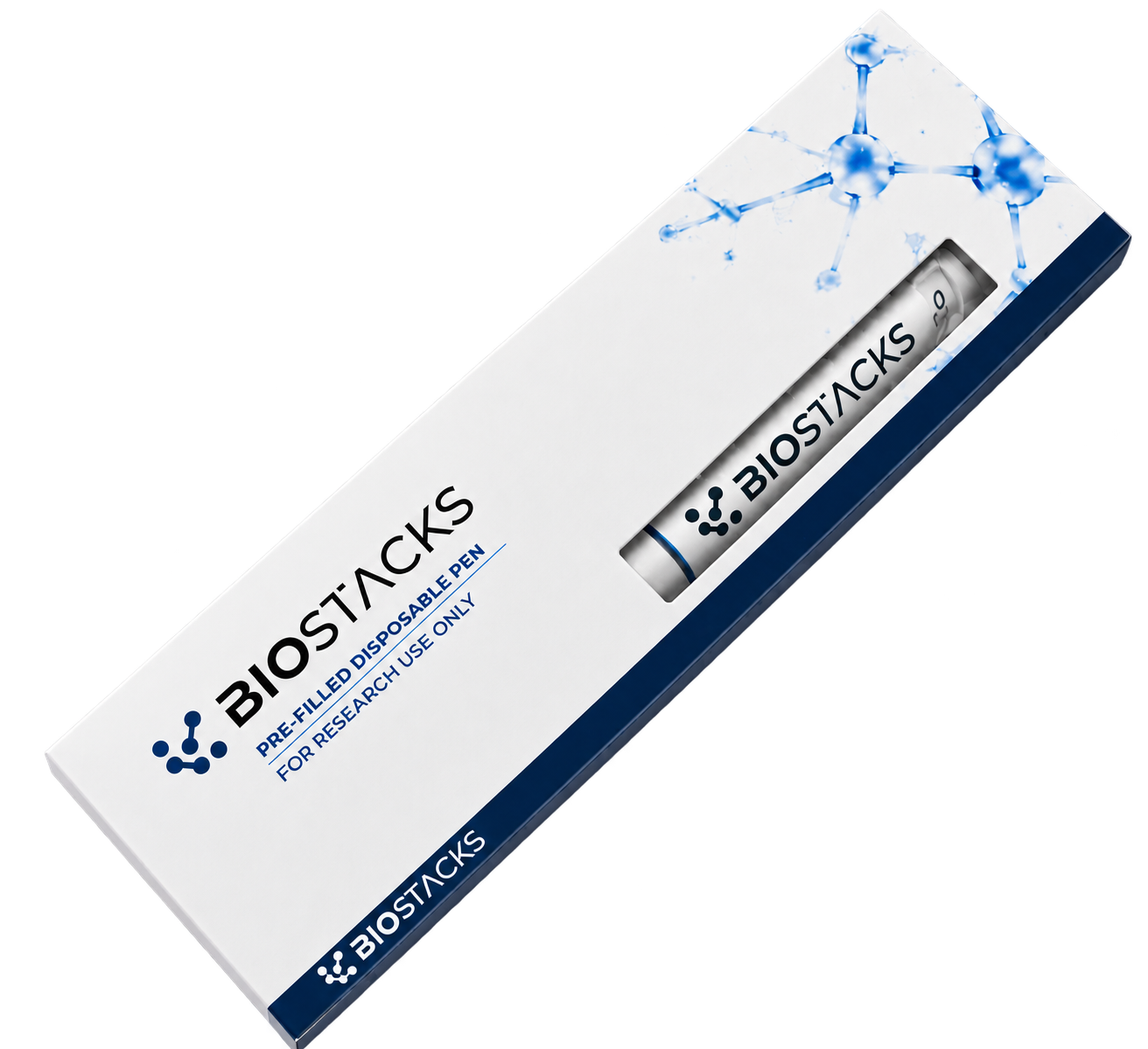
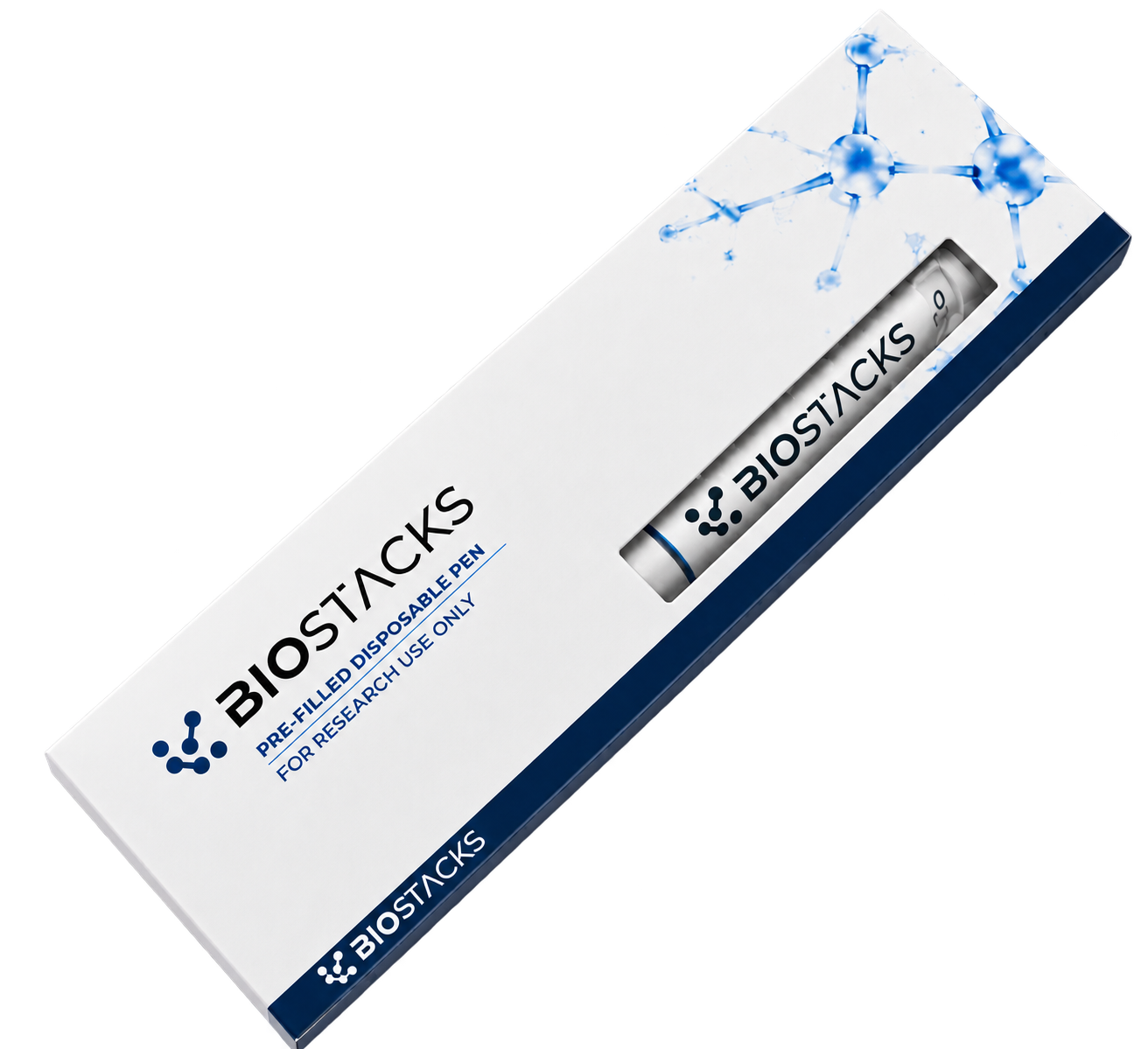
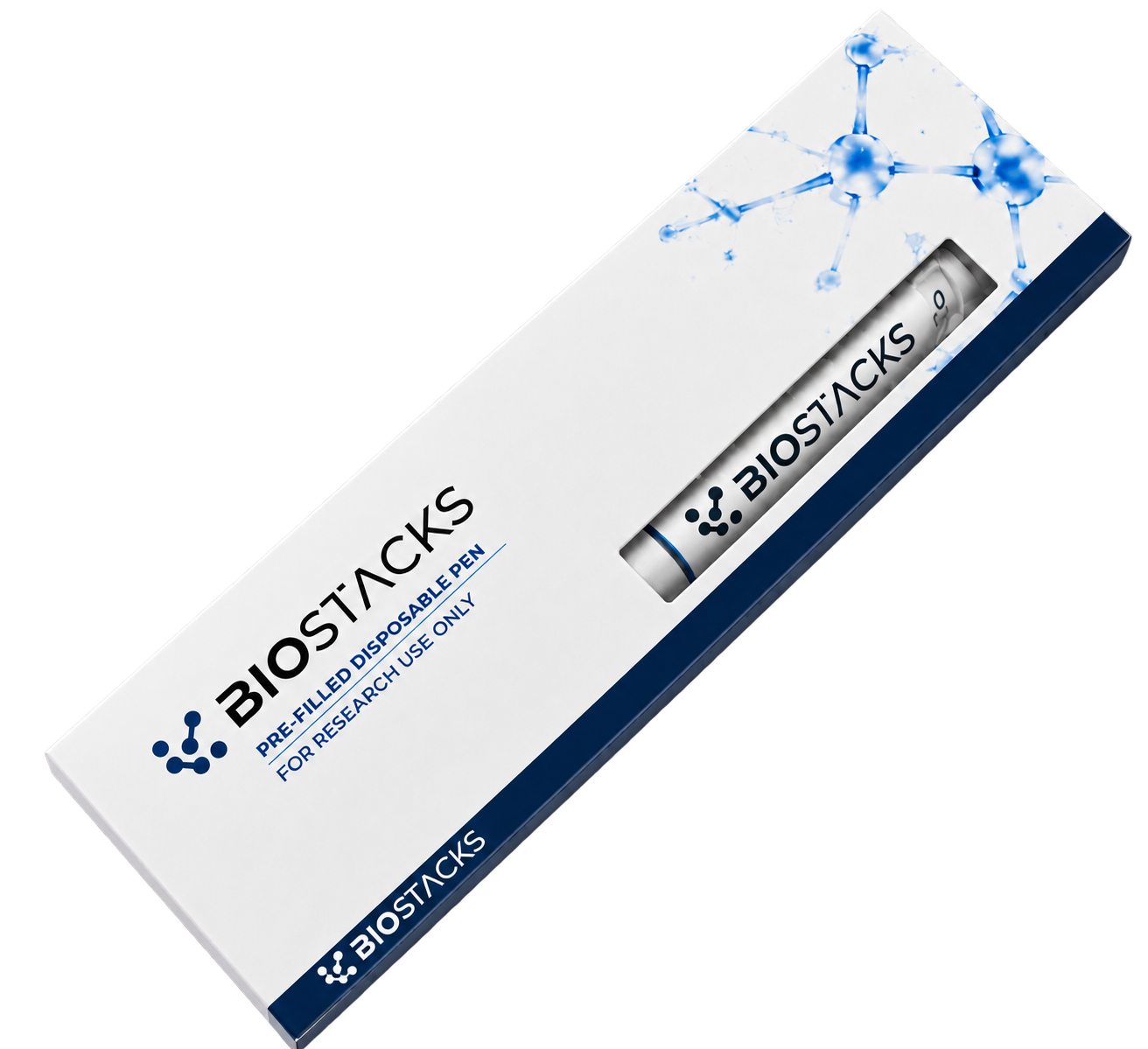
Available as a ready-to-use injectable pen — no mixing required.
Format
These products work well with BPC-157
Buy more, save more
Product description
BPC-157 (Body Protection Compound 157, CAS# 137525-51-0) is a synthetic 15-amino acid pentadecapeptide derived from a sequence originally identified in gastric juice protein. It is studied in preclinical in vitro laboratory settings for its roles in cellular signalling, angiogenesis-related pathways, and gastrointestinal research models. Supplied by BIOSTACKS as a lyophilized powder for in vitro laboratory research use. This compound has not been authorized by Health Canada for any therapeutic, clinical, or human use.
How to use it
Each vial arrives as lyophilized (freeze-dried) powder and must be reconstituted with bacteriostatic water before use in a research setting. Add the water slowly down the inside wall of the vial, then swirl gently until clear — never shake. Once reconstituted, keep it refrigerated and use within 28 days.
Open the step-by-step reconstitution guideStorage & stability
Sealed lyophilized vials are stable at ambient temperatures for 30 days and indefinitely at −20°C. After reconstitution, refrigerate at 2–8°C in the original vial and use within 28 days. Keep the vial out of direct light and avoid repeated temperature swings and agitation.
Quality & testing
Quality and purity tests are performed on random batches, covering identity (mass spec), purity (HPLC) and endotoxin results.
Browse our certificates of analysis →Shipping & returns
Orders placed before 3:00 PM ET on a business day are typically shipped the same day, in plain, discreet packaging; transit is estimated at 2–4 business days.
Read the full shipping policy →COA included
Every batch
Ships today
Order by 3PM
Free shipping
Orders over $300
About BPC-157
Within controlled research environments, this peptide is examined for its interaction with angiogenesis-related pathways and nitric oxide (NO) modulation. Scientists use these documented pharmacokinetic characteristics to explore how tissues respond to oxidative stress and mechanical injury at a microscopic level. Due to its multifaceted biological activity, it is a staple in advanced comparative studies involving the regeneration of skeletal muscle fibers, tendons, and ligaments. Research data supporting these mechanisms is widely available in global biomedical databases.
Gastrointestinal and Connective Tissue Regeneration
Extensive laboratory research highlights the unique capacity of this compound to influence the healing of tissues with poor blood supply. By upregulating specific growth hormone receptors and promoting the formation of new blood vessels, it provides an unmatched mechanism for studying wound healing and the restoration of intestinal epithelial integrity. This is particularly relevant in cytoprotective investigations where mucosal barrier reinforcement is the primary research objective.
A defining characteristic of this research fragment is its highly optimized pharmacokinetic profile. In controlled assays, scientists track how it maintains structural integrity even in highly acidic simulated environments. This translates to a profound shift in localized receptor activation and expedited tissue granulation. Mapping these pathways allows researchers to gain a deeper understanding of cellular resilience and structural preservation over multi-day periods, offering superior data consistency compared to less stable compounds.
BPC-157 the premium formulation is supplied as a sterile, lyophilized (freeze-dried) powder to support maximum biochemical stability and precise reconstitution. The substantial quantity is perfectly suitable for extended research timelines and comprehensive dose-response investigations. Applying precise calculations during the reconstitution process ensures reliable molarity across all research batches. To maintain the highest data fidelity, researchers should cross-reference their batches with our extensive peptide library to ensure consistency across comparative studies.
Strict adherence to climate-controlled, cold-chain storage is mandatory to preserve the structural integrity of the amino acid sequence. Once reconstituted with bacteriostatic water, vials must be kept refrigerated between 2°C and 8°C. For laboratories looking to cross-reference data, incorporating this compound with other variants ensures high-fidelity comparative analyses across diverse Canadian regional climates. This robust approach to logistics ensures that every vial maintains its peak potency for reliable research outcomes.
In addition to standard repair models, researchers are increasingly utilizing this peptide to observe the modulation of the central nervous system’s response to systemic injury. These cutting-edge studies suggest a broader scope of activity than previously documented, making the 10mg format ideal for longitudinal observation. By maintaining a consistent experimental environment, labs can achieve exceptional clarity in their data sets regarding the peptide’s influence on various growth factors and the overall biological adaptation process.
Related peptides
Customers also viewed
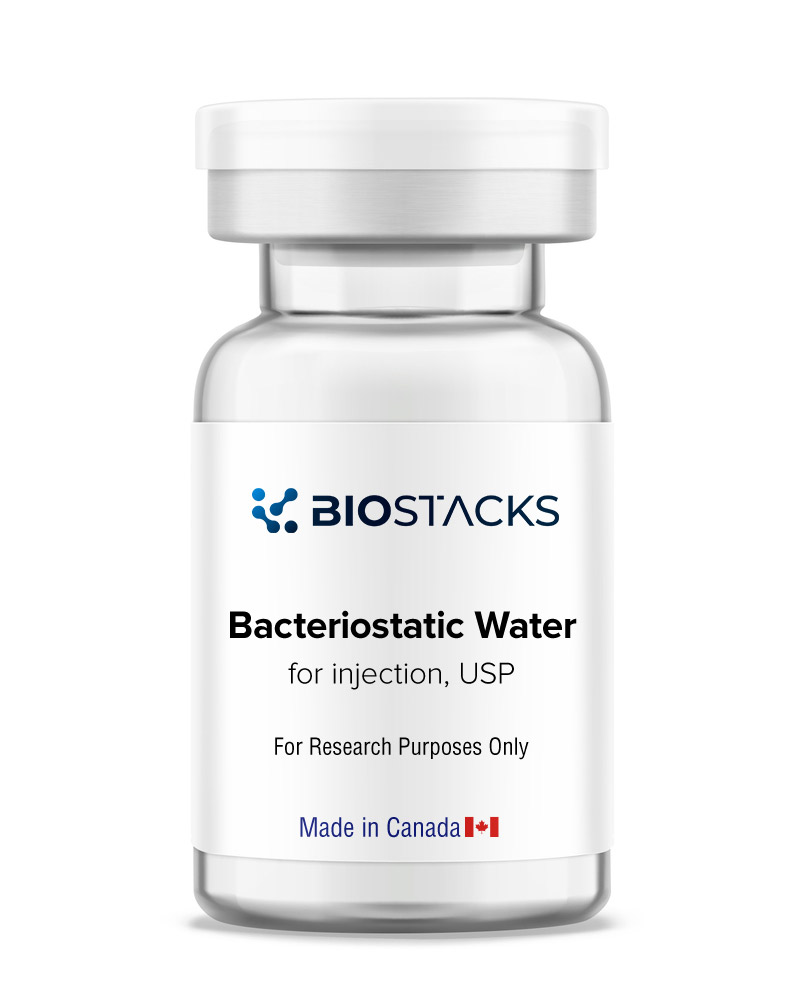
"High Pure Diluent for Precise Reconstituting Sensitive Compound"
FAQ
Common questions
Each vial contains lyophilized peptide, sealed under vacuum with a butyl stopper and aluminum crimp cap. Bacteriostatic water is sold separately.
Store the sealed vial at 2–8°C in a dark environment. After reconstitution, keep refrigerated and use within 28 days.
Yes — every batch ships with a signed COA showing HPLC purity, mass spec confirmation, and endotoxin results. Download the sample COA above.
Larger vials offer the same peptide at a lower per-mg cost. Reconstitution volume scales linearly with size.