
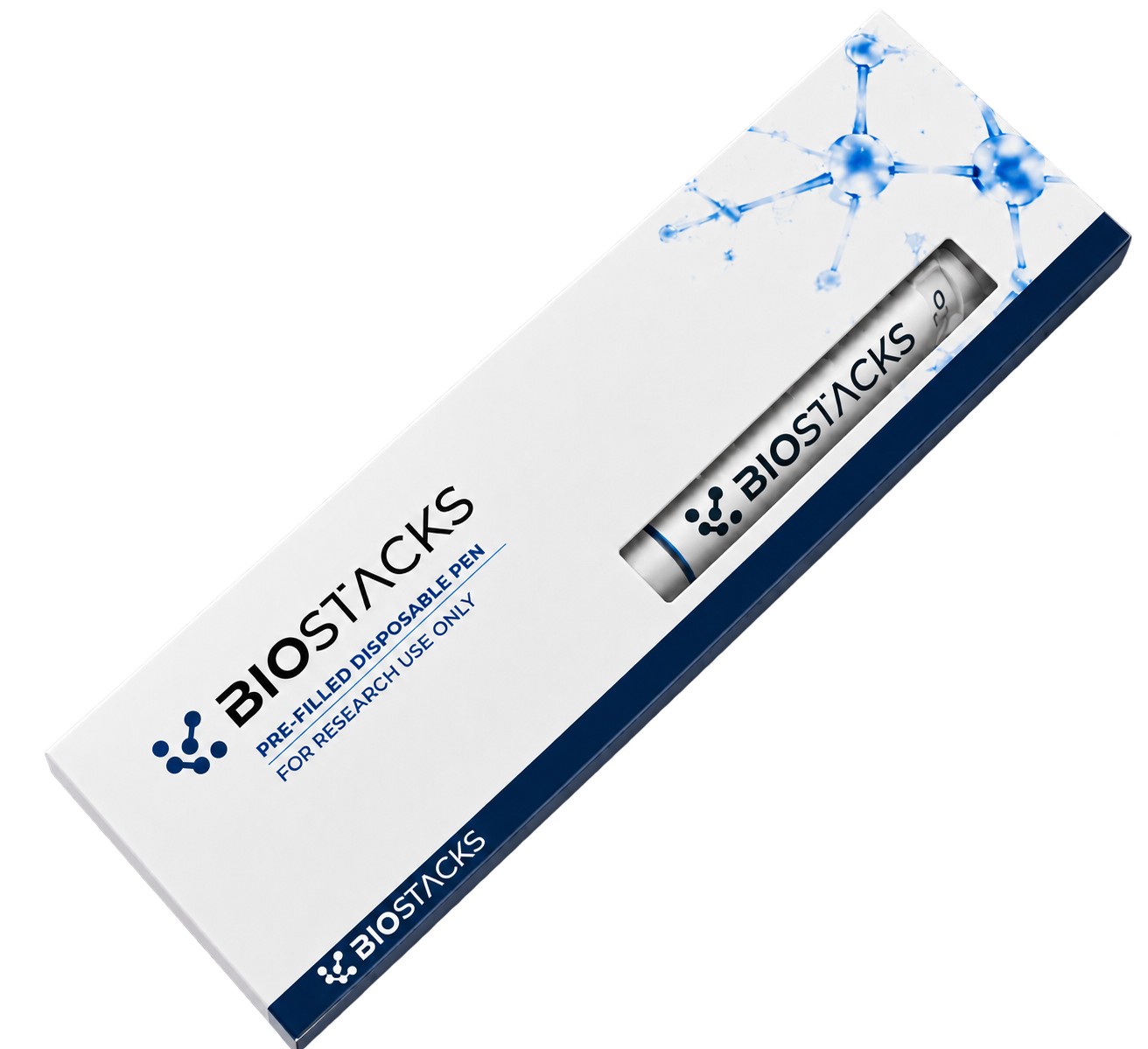
Semax
"Cognitive Performance Support"
Price
Size / Dosage
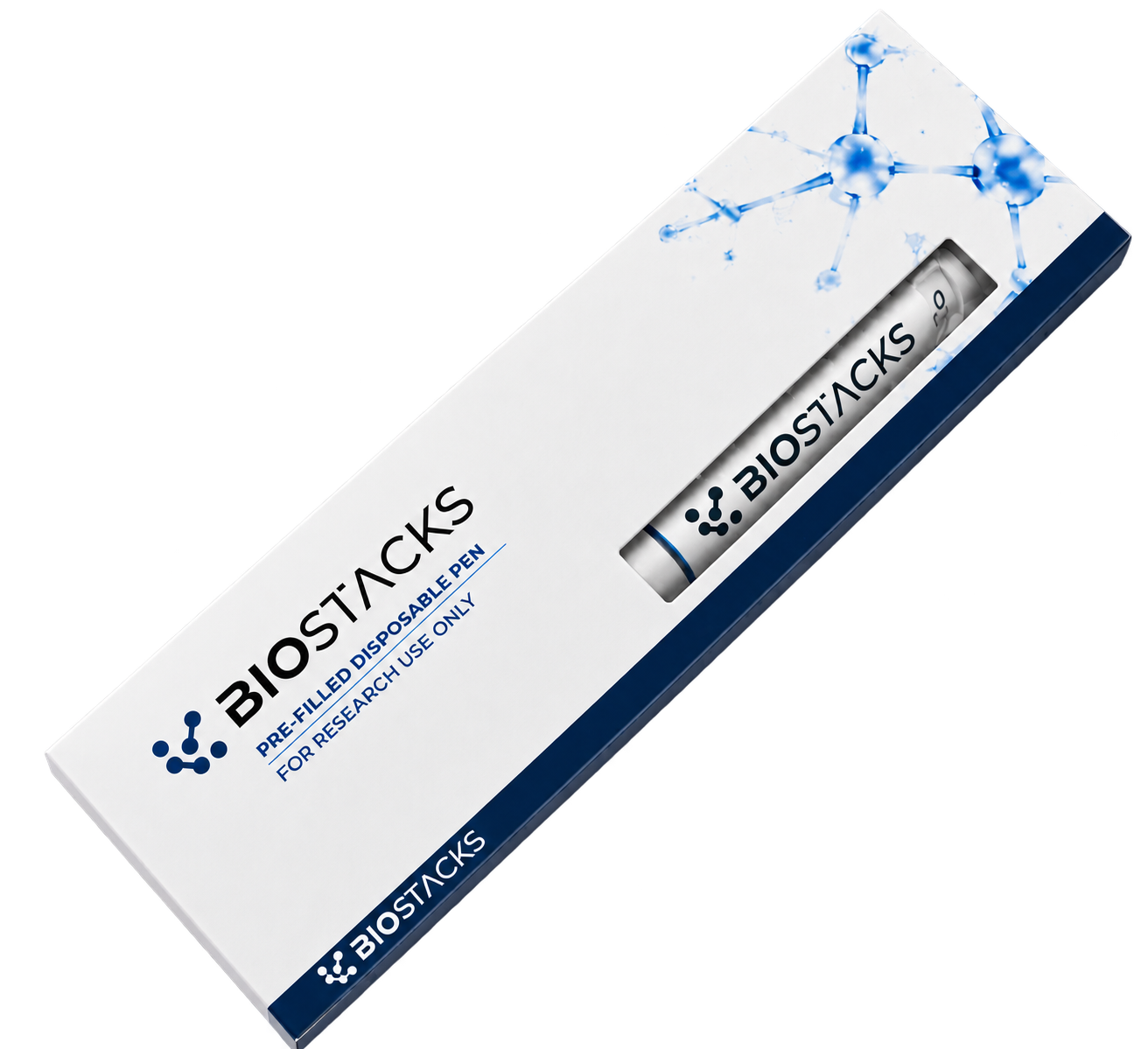
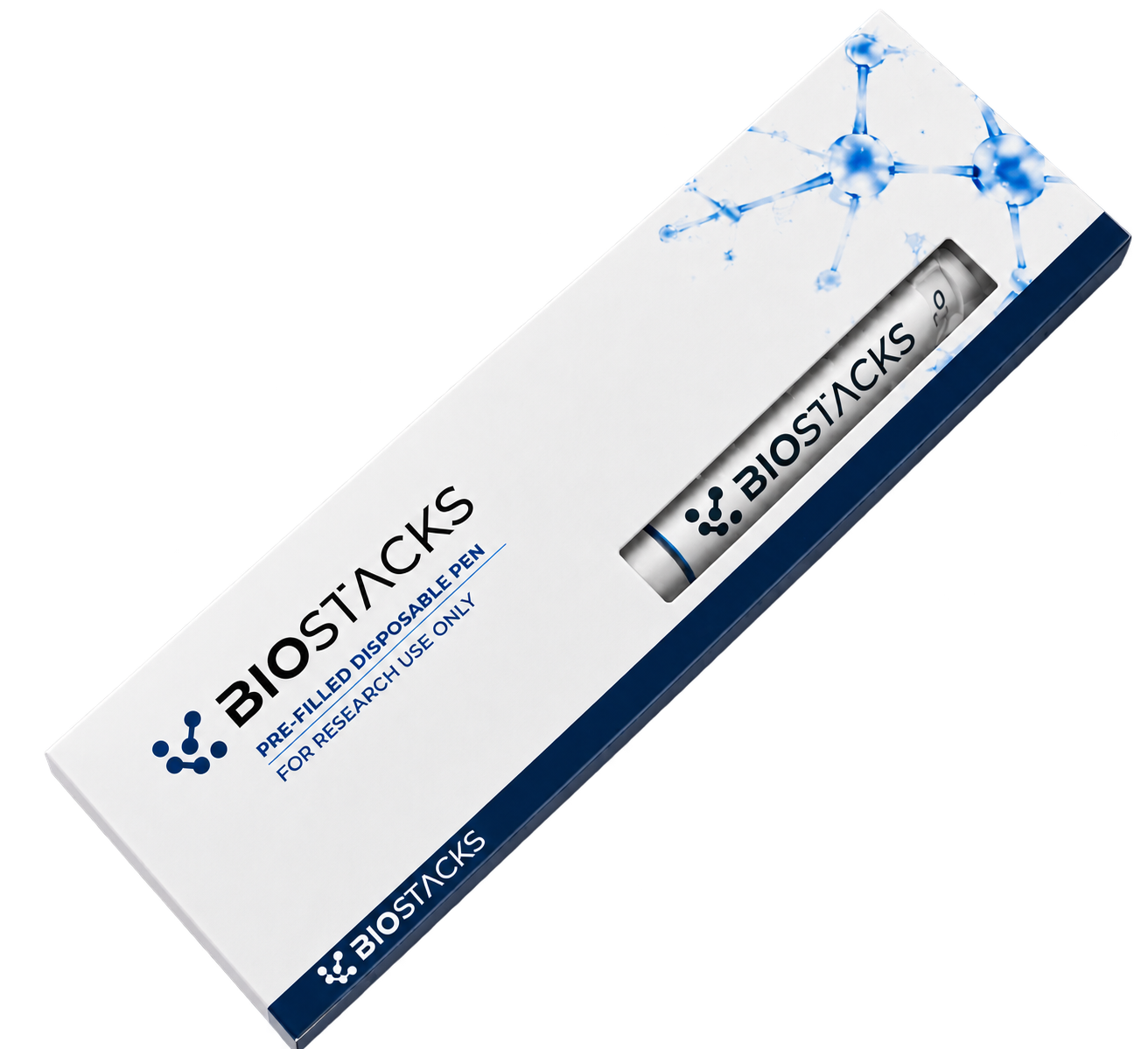
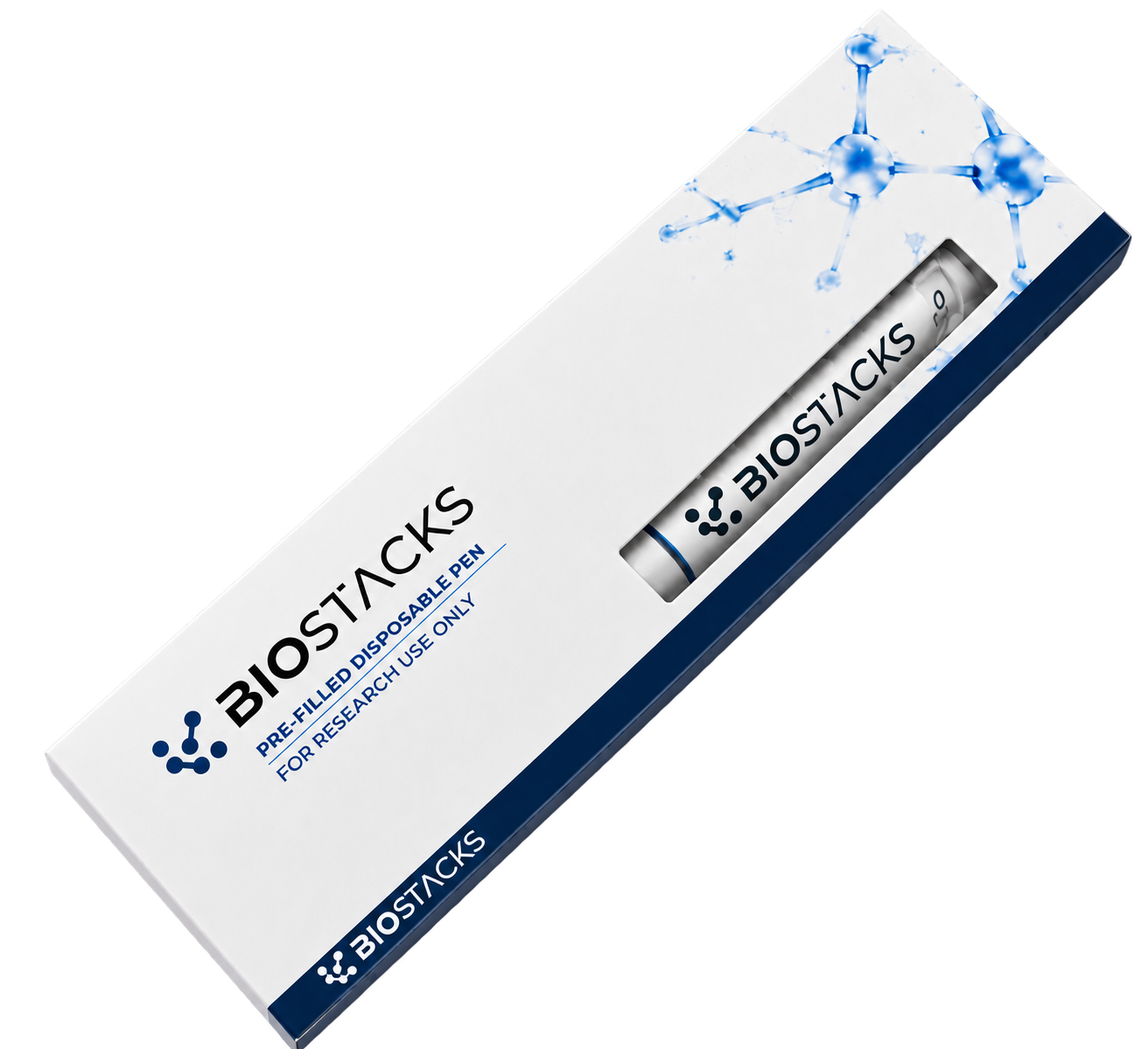
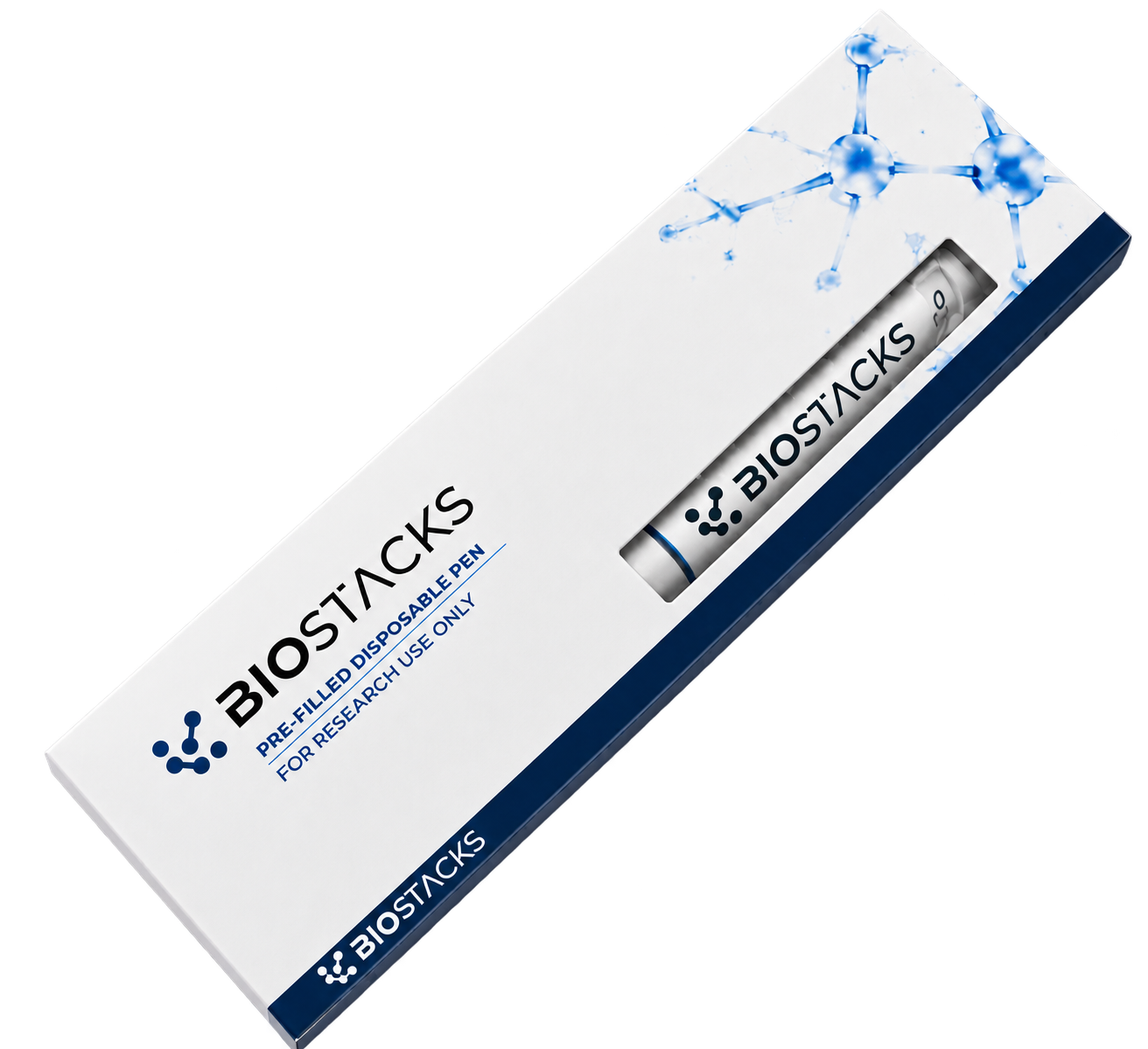
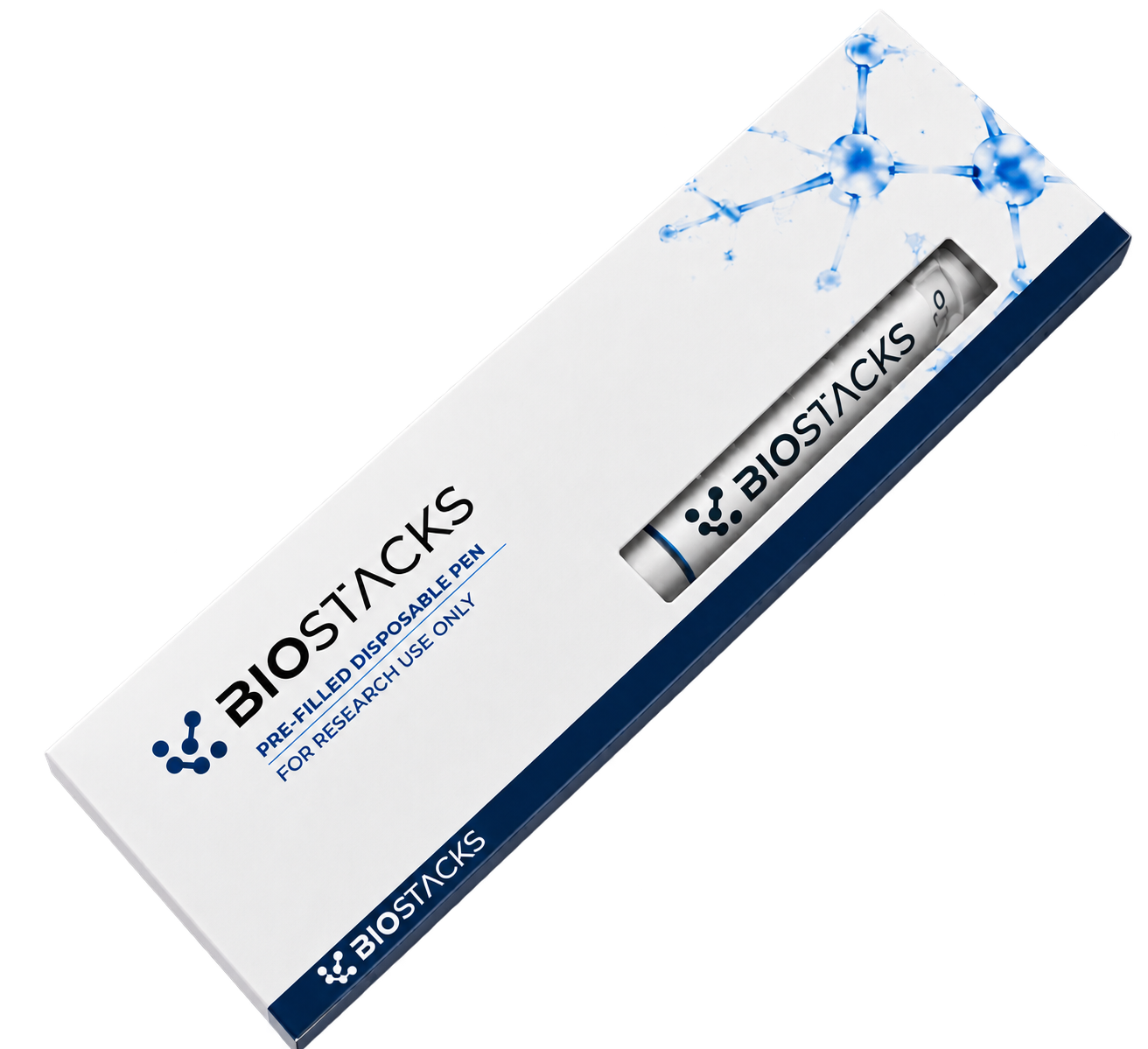
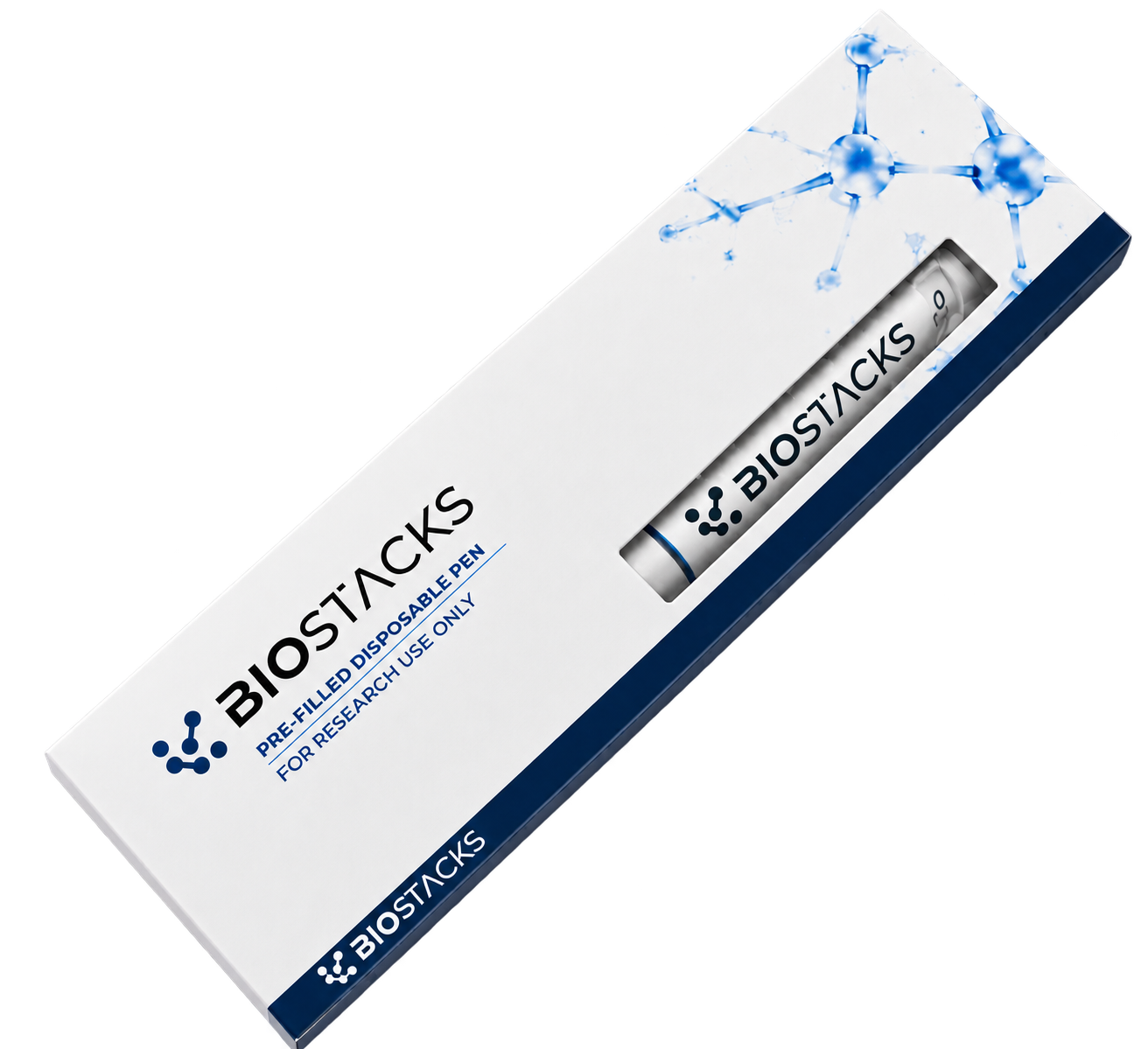
Available as a ready-to-use injectable pen — no mixing required.
Format
These products work well with Semax
Buy more, save more
Product description
Semax (CAS# 80714-61-0) is a synthetic heptapeptide analogue derived from adrenocorticotropic hormone fragment ACTH(4-7), extended C-terminally with a Pro-Gly-Pro (PGP) tripeptide to yield the full sequence Met-Glu-His-Phe-Pro-Gly-Pro (MEHFPGP). It is studied in preclinical and in vitro models investigating neuropeptide signalling, melanocortin receptor (MC4R) interactions, and neurotrophic factor pathway modulation — including BDNF and NGF expression studies in hippocampal and cortical cell preparations. Supplied by BIOSTACKS as a lyophilized powder for in vitro laboratory research use. This compound has not been authorized by Health Canada for any therapeutic, clinical, or human use.
How to use it
Each vial arrives as lyophilized (freeze-dried) powder and must be reconstituted with bacteriostatic water before use in a research setting. Add the water slowly down the inside wall of the vial, then swirl gently until clear — never shake. Once reconstituted, keep it refrigerated and use within 28 days.
Open the step-by-step reconstitution guideStorage & stability
Sealed lyophilized vials are stable at ambient temperatures for 30 days and indefinitely at −20°C. After reconstitution, refrigerate at 2–8°C in the original vial and use within 28 days. Keep the vial out of direct light and avoid repeated temperature swings and agitation.
Quality & testing
Quality and purity tests are performed on random batches, covering identity (mass spec), purity (HPLC) and endotoxin results.
Browse our certificates of analysis →Shipping & returns
Orders placed before 3:00 PM ET on a business day are typically shipped the same day, in plain, discreet packaging; transit is estimated at 2–4 business days.
Read the full shipping policy →COA included
Every batch
Ships today
Order by 3PM
Free shipping
Orders over $300
About Semax
Unlike traditional peptide compounds, this neuroactive formula has been structurally designed to exhibit exceptional stability and resistance to enzymatic degradation. This enhanced durability makes it uniquely suitable for detailed experimental protocols, extended observation periods, and rigorous in-vitro studies. Scientific interest centers heavily on its potential influence on neurotrophic factors, neurotransmitter balance, and synaptic activity, allowing researchers to explore exactly how neural networks adapt, respond to environmental stressors, and maintain long-term functional efficiency. In particular, the regulation of enkephalins and the prevention of their rapid degradation represent a significant area of inquiry, providing a clearer picture of how neurological homeostasis is maintained under intense physiological demand.
BDNF Expression and Neurotrophic Factors
Within advanced laboratory studies, it has been critically examined for its direct relationship with brain-derived neurotrophic factor (BDNF) expression, dopaminergic and serotonergic signaling, and adaptive stress-response mechanisms. These well-documented properties make it an invaluable tool for researchers investigating cognitive performance models, memory formation pathways, emotional regulation systems, and neuroprotective mechanisms against cellular degradation. Its broad scope of neuro-activity thoroughly supports comparative research alongside other nootropic and neuroactive peptides, mechanisms which are heavily documented in prominent neurological databases.
A defining characteristic of this specific research peptide in a laboratory setting is its highly optimized pharmacokinetic profile. When observing cellular uptake in controlled assays, scientists track how it bypasses rapid enzymatic breakdown, significantly extending its half-life. In cellular models, this translates to a profound shift in prolonged receptor activation. This mechanism is vital for longitudinal studies examining progressive cognitive adaptation, particularly in age-related neurological decline scenarios where synaptic plasticity naturally wanes. By mapping these pathways, researchers gain a deeper understanding of cellular resilience and neurochemical preservation over multi-day observational periods. Furthermore, evaluating the precise transport velocity of this modified fragment across cellular membranes provides indispensable data for constructing highly accurate, replicable in-vitro models of central nervous system communication.
This premium formulation is supplied as a lyophilized (freeze-dried) powder, a format specifically selected to ensure maximum stability, precision, and structural consistency during storage and handling under proper laboratory conditions. The 10mg quantity is exceptionally well suited for granular dose-variation studies, extended research timelines, and highly controlled domestic experimental designs, offering researchers absolute flexibility for a wide array of investigative applications. Applying precise calculations during the reconstitution process ensures reliable molarity across research batches.
Related peptides
Customers also viewed
FAQ
Common questions
Each vial contains lyophilized peptide, sealed under vacuum with a butyl stopper and aluminum crimp cap. Bacteriostatic water is sold separately.
Store the sealed vial at 2–8°C in a dark environment. After reconstitution, keep refrigerated and use within 28 days.
Yes — every batch ships with a signed COA showing HPLC purity, mass spec confirmation, and endotoxin results. Download the sample COA above.
Larger vials offer the same peptide at a lower per-mg cost. Reconstitution volume scales linearly with size.